 Skip to main content
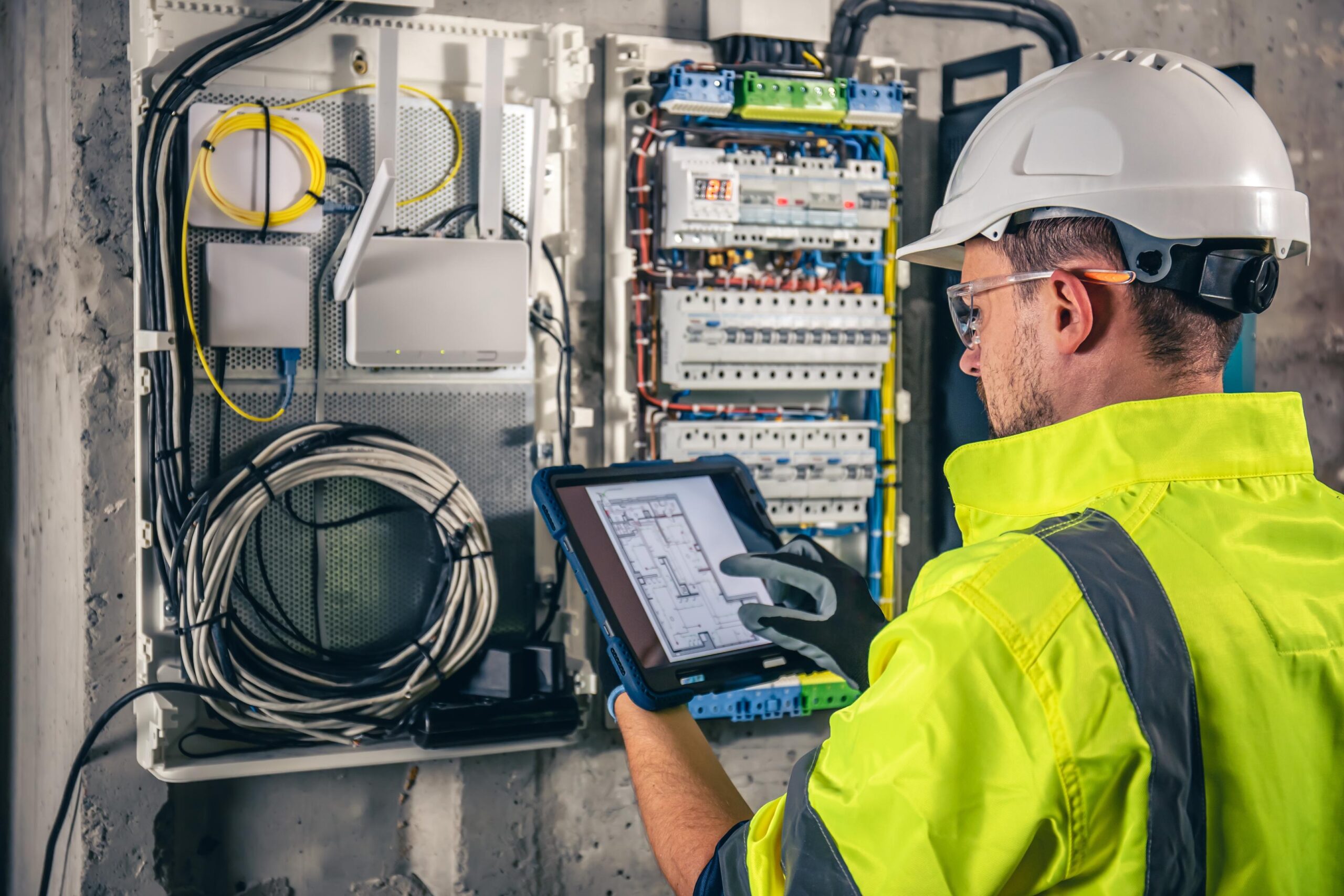
Electrical systems are at the heart of every commercial building, powering lighting, HVAC systems, safety equipment, IT infrastructure, and essential operational processes. Without a structured electrical maintenance plan for commercial buildings, small faults can quickly escalate into major failures, leading to safety hazards, costly downtime, and expensive repairs.
An effective electrical maintenance checklist helps transform reactive problem-solving into a structured, proactive process. It ensures that inspections, testing, and servicing are planned, recorded, and assigned—protecting people, equipment, and business continuity.
This guide outlines what to include in a commercial electrical maintenance checklist and how businesses can reduce risk while improving compliance and reliability.
Why electrical maintenance matters for commercial buildings
Preventive maintenance means scheduled inspections, testing, and servicing of electrical systems, electrical infrastructure, and electrical components to prevent electrical failures, electrical accidents, costly downtime, major failures, and costly breakdowns.
Electrical systems naturally deteriorate over time. Connections can loosen, cables can become damaged, and electrical components can wear out with regular use. Without routine inspections and testing, these issues may go unnoticed until they create significant operational or safety concerns.
An effective electrical maintenance schedule ensures that all critical systems continue to function properly while helping businesses demonstrate compliance with current electrical codes and safety standards.
Core components of an electrical maintenance checklist
A commercial electrical maintenance checklist should clearly define all systems that require inspection, testing, and servicing. This list will typically include electrical panels, distribution boards, circuits, emergency lighting, surge protection devices, motors, HVAC systems, and other critical electrical infrastructure.
Inspection frequency should be based on risk level, usage, and the importance of each system to daily operations. High-demand environments such as industrial facilities or healthcare settings may require more frequent checks due to continuous load and higher operational risk.
Responsibility should also be clearly assigned. Whether tasks are completed by in-house teams or by a qualified electrician, ownership ensures that inspections are carried out correctly and that any issues are properly escalated.
A structured checklist should group key areas into clear categories, including electrical distribution equipment, wiring and fixed installations, safety systems, and operational equipment. Combined, this makes inspections easier to follow and helps ensure nothing is missed during routine maintenance.
The checklist should also include supporting records such as inspection dates, maintenance frequency, findings, and follow-up actions, helping to ensure consistency, traceability, and compliance across all maintenance activities.
Visual and routine on-site checks
Routine inspections are usually carried out monthly or quarterly, depending on the site. These checks help identify early warning signs such as overheating, corrosion, physical damage, or wear.
Common issues to look for include damaged cables, scorch marks on loose outlets, loose fittings, and signs of overheating around equipment or distribution boards. Early identification of these issues helps prevent escalation into more serious faults.
Electrical panels and distribution boards
Electrical panels must be clean and free of obstructions. Ensure panel clearance of three feet during inspections. Inspect electrical panels for heat and loose wiring. All circuit breakers must be clearly and accurately labelled during checks. Never remove live covers unless trained.
Outlets, switches, and visible wiring
Test switches and outlets to ensure they operate smoothly. Inspect outlets for burn marks or loose outlets during maintenance checks. Inspect wiring for fraying or rodent damage in electrical systems. Verify that high-draw appliances and any new electrical equipment are on dedicated circuits to prevent overloads. Damaged wiring requires a qualified electrician.
Lighting and emergency lighting
Replace flickering or dimming bulbs as part of maintenance. Functional testing of emergency lighting is crucial for disaster preparedness. Regularly test emergency lighting to ensure it’s functioning, and log all results.
Electrical preventive maintenance checklist (planned tasks)
Planned preventative maintenance activities need tools, multimeters, isolation, and safety procedures. Multimeters are essential for testing electrical equipment performance. Preventive maintenance minimises unexpected electrical failures and downtime.
Tightening electrical connections and cleaning
Tightening loose connections prevents overheating and arcing. Use the correct torque settings, carefully clean dust, and replace heat-damaged electrical equipment rather than just re-tightening it.
Circuit breaker and RCD testing
Regularly test RCDs to ensure they trip quickly enough to ensure proper functionality. Test AFCI and GFCI breakers to ensure they operate correctly. Test all GFCI and AFCI breakers regularly. Frequent breaker trips may signal overloaded circuits, faulty equipment, or wiring issues.
Motors, HVAC, and other critical equipment
For motors, pumps, compressors, UPS, and HVAC, check current draw, vibration, ventilation, filters, overload settings, and battery condition. Prioritise assets based on criticality and usage patterns.
Addressing overheating, moisture, and power quality issues
Thermal imaging detects hot spots in electrical components, indicating potential electrical issues. Scan panels with infrared cameras to identify overheating. Monitor voltage drops across critical circuits during inspections. Inspect surge protection device indicators during maintenance. Inspect whole-house surge protection devices to ensure they function properly.
Professional electrical inspections and EICR
An Electrical Installation Condition Report provides a formal assessment of an electrical installation’s condition. It identifies deterioration, damage, and non-compliance issues that may pose safety risks.
EICR inspections typically include testing of circuits, earthing, bonding, and protective devices. Findings are categorised by risk level and must be addressed within appropriate timeframes to maintain compliance.
Regular EICRs, typically every five years for commercial premises, help ensure ongoing electrical safety and regulatory compliance.
What an electrical installation condition report covers
An EICR records supply, earthing, bonding, RCDs, circuits, test results, limitations, risk codes, and whether the installation is satisfactory. Store detailed records to demonstrate compliance and update the maintenance history.
Creating and managing your electrical maintenance schedule
A structured maintenance schedule should include monthly inspections, quarterly checks, annual servicing, and periodic EICR testing.
Critical systems should always be prioritised, including life-safety systems, main distribution boards, and essential operational equipment. Plan any maintenance alongside other building activities where possible to minimise disruption.
Safety procedures and staff awareness
Electrical safety depends on both technical maintenance and staff awareness. Only a qualified electrician should handle live-risk maintenance tasks, open panels, test instruments, and code-related repairs, using appropriate personal protective equipment.
Staff should be trained to report issues such as flickering lights, unusual smells, buzzing sounds, warm outlets, or repeated circuit trips. Early reporting helps prevent minor issues from escalating into major faults.
Record keeping and compliance
Accurate documentation is essential for compliance and long-term maintenance work and planning. Records should include inspection dates, findings, corrective actions, and follow-up work. Use spreadsheets or software for documentation, potential issues, repairs, replacements, and open actions.
Maintaining clear maintenance records supports audits, insurance requirements, and regulatory compliance while helping track recurring electrical issues.
Why choose Clark Electrical Industries Ltd?
At Clark Electrical Industries Limited, we understand the importance of regular maintenance for safe, compliant, and reliable electrical systems. With more than 70 years of experience, we support commercial and industrial clients across London and the home counties with professional electrical maintenance services tailored to their specific needs.
Our team of qualified electricians can help develop and implement a commercial electrical maintenance schedule that reduces the risk of costly downtime, electrical failures, and unexpected repairs. From routine inspections and EICRs to thermal imaging surveys and emergency call-outs, we provide a complete range of services to support your electrical infrastructure.
By taking a proactive approach to commercial electrical maintenance, we help businesses improve safety, maintain compliance, and maximise the lifespan of their electrical equipment for optimal performance.
Frequently Asked Questions
How often should an electrical maintenance checklist be reviewed and updated?
An electrical maintenance checklist should be reviewed at least annually and updated following an EICR, refurbishment works, major equipment upgrades, or changes to electrical loads. Regular reviews help ensure maintenance activities remain relevant, effective, and compliant.
Can in-house staff carry out electrical maintenance, or do we always need a professional?
In-house teams can carry out basic visual inspections, report faults, and perform simple checks where appropriate. However, a qualified electrician should always undertake work involving wiring, electrical panels, testing equipment, repairs, and compliance-related inspections.
What should we do if our EICR report lists urgent issues?
If an EICR identifies urgent issues, any affected circuits should be isolated where necessary and repairs arranged promptly. All remedial work should be completed by a qualified electrician and documented to demonstrate compliance and resolution.
How do we balance cost with the level of electrical preventive maintenance we perform?
Prioritise maintenance based on safety, critical systems, and the potential impact of downtime. Regular inspections and preventative maintenance often reduce long-term repair costs by identifying faults before they become major issues.
Do we need different checklists for different buildings or sites?
Yes. While a standard checklist provides a useful starting point, it should be adapted to suit each site’s electrical installation, equipment, operational demands, and risk profile. Modifying your checklist helps ensure maintenance remains relevant and effective.
